
How Sipadan Stays Alive: Conservation That Actually Works?
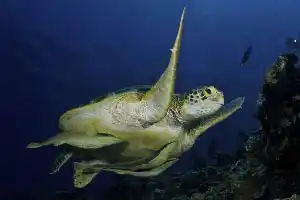
Plenty of famous dive destinations have been loved to death, and I've dived a few of the corpses. Sipadan is the counter-example. Decades after Cousteau put it on every diver's list, its reefs still look the part, and that isn't luck. It's a stack of deliberate, occasionally unpopular decisions that hold the line. As someone whose livelihood depends on those decisions, I'm a fan.
Table of Contents
- The quota is the cornerstone
- A month of silence
- Turtles: the region's flagship
- Cleanups: unglamorous, essential
- The mangrove connection
- What you can actually do
The quota is the cornerstone
The daily permit system is the single most important protection the island has. Capping numbers at 254 divers and snorkelers a day, and routing every permit through licensed operators, keeps pressure within what the reef can absorb, funds enforcement through fees, and closed the chapter when resorts sat on the island itself. Yes, it means planning months ahead and diving "only" three times on your permit day. That inconvenience is the product working.
A month of silence
Newer and bolder: the annual full closure. For the whole of November 2026, Sipadan shuts to all tourism. No dives, no snorkelers, no landings. Fish behaviour, coral recruitment and turtle nesting all benefit from pressure simply stopping; it's the marine equivalent of letting a field lie fallow. The first December dives after a closure have a particular electricity to them, and I don't think it's my imagination.
Turtles: the region's flagship
The greens and hawksbills that make every Sipadan dive feel generous nest on beaches across the region, and nests on inhabited islands like Mabul need active help. Local hatchery and monitoring programmes relocate at-risk clutches, guard them to hatching, and release the young at night away from lights. Resorts host the events that fund and staff this work. Divers help most by keeping distance, never touching or chasing, and spending money with operators who take the rules seriously.
Cleanups: unglamorous, essential
Currents deliver the world's rubbish to even the best-protected reefs. Regular beach and underwater cleanups around Mabul and Semporna do double duty: they remove entanglement and ingestion hazards (turtles famously mistake drifting plastic for jellyfish), and they generate the data that pushes waste-management fixes onshore. Ask your resort about guest cleanup dives. They're common, oddly satisfying, and the logbook entry reads better than you'd expect.
The mangrove connection
Reef health is partly decided out of sight. The mangrove forests along the Sabah coast are nurseries for the juvenile fish that later populate these reefs, filters for the sediment that would otherwise smother coral, and buffers that blunt storm energy. Protecting mangroves is reef conservation with muddier boots. One ecosystem underwrites the other.
What you can actually do?
Simple, honestly. Book operators with real permit allocations, respect the wildlife rules, join a cleanup, mind your fins and your sunscreen, and treat the November pause as the reason your dives look the way they do. More background lives on Sipadan facts and our health & safety page.