
Underwater Photography: Wide at Sipadan, Macro at Mabul
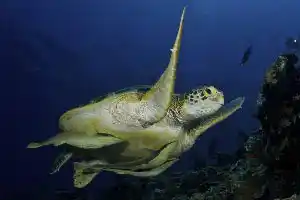
Photographically, this region is a two-for-one that almost feels like cheating: big-animal, big-blue wide angle at Sipadan, then Mabul's macro twenty minutes away, often on the same day's tank count. Here's how I'd shoot a week, lens choices, settings and all.
Table of Contents
- Wide-angle days at Sipadan
- Macro sessions at Mabul
- Managing the switch
- The skill that beats any lens
Wide-angle days at Sipadan
Sipadan is scale: schools, walls, turtles against sunballs. Go as wide as your system allows and get close anyway; water is the enemy of contrast. My working recipe for the barracuda vortex is shutter around 1/125 to freeze the school's edges, aperture in the f/8 region for depth, ISO wherever the morning light demands and exposure biased for the blue so the silver reads as silver. For turtles on the reef flat, drop low, shoot slightly upward and let the surface texture into the frame. Strobes help on the wall's colour but the classic Sipadan images are honestly ambient-light images; the visibility does the work.
Macro sessions at Mabul
Mabul is patience: frogfish, pygmy seahorses, nudibranchs, the whole gallery shot in the 5-to-20-metre band. A 60mm-class macro lens or a good compact with wet close-up lens covers most subjects; pygmies push you toward more magnification and more frustration, in that order. Focus light on, strobe power modest and shoot the animal's eye or don't shoot. Night dives double the cast list. One etiquette rule I enforce cheerfully: the subject's welfare outranks your shot, always; no moving, poking or parking on the reef.
Managing the switch
The clean rhythm is lens-per-day, not lens-per-dive: wide on your Sipadan permit day, since the island is where the big scenes live then macro on Mabul and Kapalai days. Fighting the urge to carry both rigs on the boat is part of the discipline. Between trips, service your housing seals religiously; equatorial boat decks are hard on O-rings and our equipment page covers what's sensibly rented versus flown in.
Build an evening ritual as well: cards offloaded, batteries on charge, housing open to dry, silica checked, tomorrow's lens decided before dinner. The photographers who lose shots here lose them at 6am, fumbling a lens swap on a moving boat, not underwater.
Shooting video instead? Same split applies with one addition: prioritise stability over resolution settings. A slow, level pass of the barracuda school beats shaky 4K every single time.
The skill that beats any lens
Buoyancy. Nothing improves underwater photographs like the ability to hover motionless, slightly nose-down, hands off the reef, for as long as a subject needs. If your trim isn't there yet, a photography course paired with buoyancy work pays off faster than any glass and our underwater photography page has more on shooting these specific sites. Then tell us you're shooting and we'll weight your week's schedule toward the light. The portfolio you fly home with will argue for both lenses anyway. And when a turtle photobombs the school shot, which it will, take the frame; the accidents here outperform the plans.